Stronger Together: Skills That Multiply Health, Money, and Home Harmony
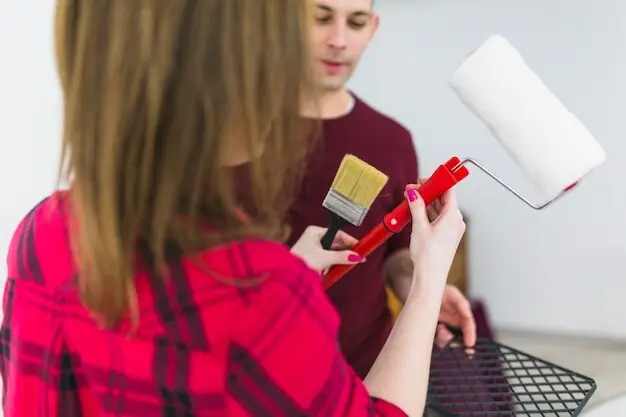

Today we explore synergistic skill bundles for health, finances, and household management, showing how coordinated practices amplify results across daily energy, money confidence, and home calm. Expect practical frameworks, lived stories, and friendly prompts inviting you to try, adapt, and share combinations that fit your season. Subscribe and drop a note about the smallest pairing you’ll test this week.

Compounding Habits That Link Body, Budget, and Household Flow

Small, repeatable choices can knit together surprising momentum when you intentionally pair them. A glass of water sparks planning clarity, planning unlocks a purposeful walk, the walk unlocks tidy counters and budget awareness. Linked this way, one success recruits the next, quietly compounding.

Meal Planning That Nourishes, Saves, and Simplifies

Pantry Mapping and the Zero-Waste Wallet

List what you already own, categorize by proteins, grains, vegetables, and flavor boosts, then sketch three meals that use overlapping ingredients. You’ll spend less, rotate stock before expiry, and feel calmer knowing dinner is decided before hunger scrambles discipline.

Batch Cooking With Time and Energy Efficiency

Choose one oven session for roasted vegetables, proteins, and a tray of chickpeas while a pot simmers grains. Consolidating heat saves electricity and attention. Portion into mix‑and‑match bases so lunches assemble fast, supporting workouts, meetings, and school pickups without takeout.

Smart Lists: Discount Cycles Meet Nutrition Targets

Build a repeating list tied to store markdown schedules and your macro needs. When chicken thighs drop, plan iron‑rich bowls with leafy greens. When beans are featured, rotate chili and burrito kits. Savings become consistent, nutrition intentional, and evenings predictably relaxed.

One Dashboard To See It All

When information lives in one calm place, attention returns to what matters. A simple dashboard can show sleep, steps, grocery spend, bill due dates, and chore cycles together, revealing patterns you can act on kindly, without shame, and with contagious clarity.

The Monthly Snapshot Spreadsheet

Track five essentials on one page: sleep averages, movement minutes, grocery totals, fixed bills, and household tasks completed. Color cues reveal wins and bottlenecks. Instead of judgment, use curiosity to ask which small pairings could release ease across money, meals, and motivation.

The Friday Reset and Review Ritual

Set a standing date with yourself to glance at dashboards, pay one bill, clear the sink, and schedule two workouts. The ritual caps the week gracefully and launches the next with momentum, proving maintenance can feel like encouragement instead of pressure.

Automation: Reminders, Rules, and Tiny Scripts

Use calendar nudges for air filter replacements, automate transfers on payday, and create a text shortcut for grocery staples. Offloading memory reduces friction, lowers stress hormones, and saves late fees, leaving more patience for family, workouts, and nourishing food experiments.

Decision Templates Reduce Friction

Choose once for breakfast, work breaks, and post‑work reset, then reuse those scripts. A default smoothie, a walking call, and a ten‑minute tidy prevent option overload. Your brain saves glucose for creativity and kindness, not endless preferences that dilute progress.

Clear Roles, Kinder Boundaries

Agree who cooks, who orders pantry staples, and who handles bills, rotating seasonally when workloads shift. Explicit responsibility reduces resentment and repetitive reminders. When everyone knows the plan, evenings soften, snacking steadies, and saving becomes possible without whispered guilt or secrecy.

Micro-Recovery Moments

Scatter tiny restorations through demanding days: a window breath between emails, shoulder rolls while the kettle warms, sunlight during phone calls. These minutes downshift cortisol, improving impulse control at checkout lanes and bedtime snacks, while lifting patience for family collaboration and chores.

Readiness That Protects Health, Finances, and Home

Go-Bag Essentials With Documents and Care

Pack copies of IDs, insurance, prescriptions, spare glasses, bandages, electrolyte packets, snacks, a charger, and some cash. Rotate medications regularly. Knowing you can leave in five minutes calms background anxiety, which improves sleep, immunity, and financial judgment tomorrow morning.

Preventive Maintenance Calendar

Pack copies of IDs, insurance, prescriptions, spare glasses, bandages, electrolyte packets, snacks, a charger, and some cash. Rotate medications regularly. Knowing you can leave in five minutes calms background anxiety, which improves sleep, immunity, and financial judgment tomorrow morning.

Financial Buffers With Care Protocols

Pack copies of IDs, insurance, prescriptions, spare glasses, bandages, electrolyte packets, snacks, a charger, and some cash. Rotate medications regularly. Knowing you can leave in five minutes calms background anxiety, which improves sleep, immunity, and financial judgment tomorrow morning.

Shared Systems, Stronger Households

Skills multiply when shared. Households that talk openly about groceries, bills, and recovery needs create resilient micro‑teams. Meetings become shorter, chores fairer, and money conversations lighter. People sleep better, snack wiser, and maintain spaces they are proud to invite friends into.

01

Family Stand-Ups That Actually End on Time

Pick a fifteen‑minute slot, rotate who leads, and use the same questions: what’s cooking, what’s due, where help is needed. Capture decisions in the calendar immediately. Children learn planning by participating, and adults feel seen, reducing passive resistance and surprise spending.

02

Chore Credits, Real Rewards

Create a visible board where tasks earn credits redeemable for choices like Friday playlist control or picking Saturday’s hike. Tangible acknowledgment transforms maintenance into teamwork. The house runs smoother, snacks stay prepped, and savings grow because repair bills drop significantly.

03

Shared Calendars People Want To Use

Color‑code by person and category, add travel times, and attach grocery lists. Use playful emojis so children engage. When everyone trusts the source of truth, lateness falls, impulse spending shrinks, and workouts reappear because logistics friction no longer swallows evenings.

Your 30‑Day Starter Blueprint

Gather bills, track meals and steps, and clear the fridge, counters, and inbox. Lighten your environment before adding routines. Note three friction points and design one pairing for each. Share your plan with a friend to spark accountability and encouragement.
Build a two‑meal rotation, schedule three short walks tied to chores, and shop using your mapped pantry. Focus on wins, not rules. Photograph lunches and receipts to notice patterns. Money relief and steadier energy will nudge you into playful, repeatable improvements.
Turn recurring bills automated, set maintenance reminders, and refine your dashboard. Keep the morning triad, batch one cook, and host a ten‑minute family stand‑up. End each week with a kind review, recording what helped most and what to simplify further.
Lumaveltonarisentonovi
Privacy Overview

This website uses cookies so that we can provide you with the best user experience possible. Cookie information is stored in your browser and performs functions such as recognising you when you return to our website and helping our team to understand which sections of the website you find most interesting and useful.